



The Growth Series 2026 | Week 24: The Retail Media Explosion – Monetising the Store Floor as a High-Margin Ad Platform
Martin Bailie CEO & founder MWB advisory Ltd
"The true value of your physical footprint isn't just the products you move out the door; it's the audience you bring through it. In 2026, the retail floor is no longer just real estate—it is the ultimate high-margin digital broadcasting platform.” Martin Bailie

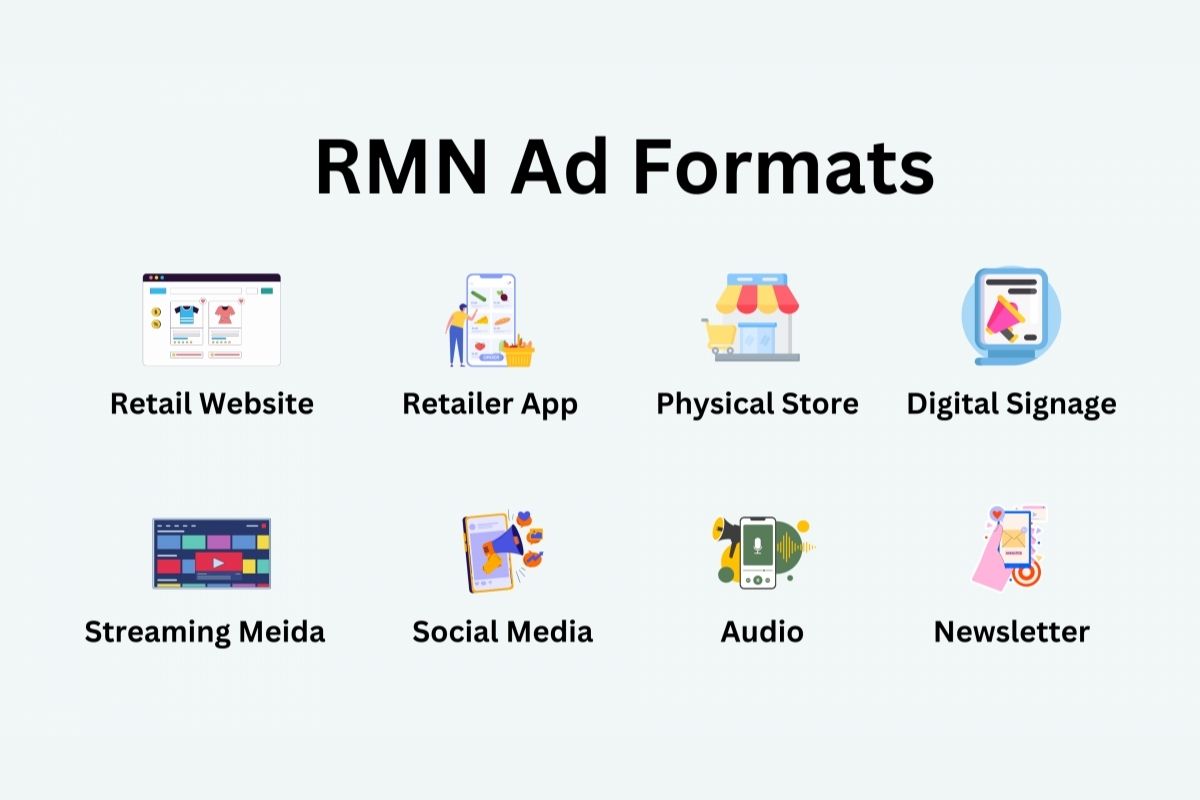
Legacy retail models treat physical space purely as a transactional venue for selling goods. The Retail Media Explosion demands that boardrooms unlearn the idea that stores are merely cost centres for logistics and relearn their function as a high-margin, high-value digital publishing platform. By digitising the physical aisle, leading multi-channel operators are turning real-time audience attention into closed-loop advertising networks—unlocking an entirely separate, pure-profit revenue stream that fundamentally reshapes corporate operating margins.
The Bailie Diagnosis
“My diagnosis of the current multi-channel landscape is direct: if you are only monetising the products on your shelves, you are leaving your highest-margin returns on the table. In a low-margin grocery and fashion environment, a modern retailer cannot survive on transaction volume alone.
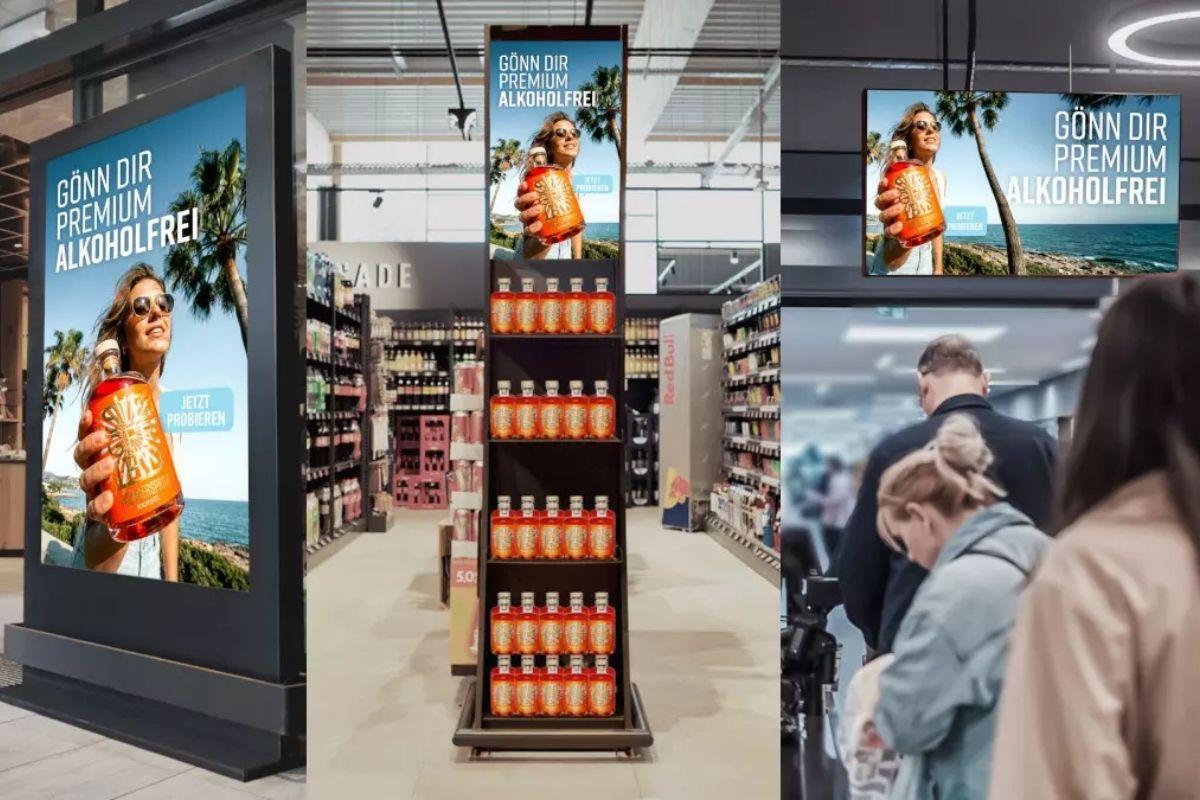
“As I routinely stress to executive boards, the next stage of retail evolution requires converting physical scale into digital media assets. The physical store floor possesses an audience density that web browsers can only dream of capturing. The challenge is no longer just selling food or apparel; it is about building the digital infrastructure required to capture, analyse, and monetise shopper attention at the exact point of purchase. Retail Media isn’t a marketing initiative—it is the ultimate engine for structural margin defence.” MWB Advisory
Regional Media Realities
Scaling an in-store retail media network requires a sophisticated understanding of distinct regional infrastructure and audience expectations:
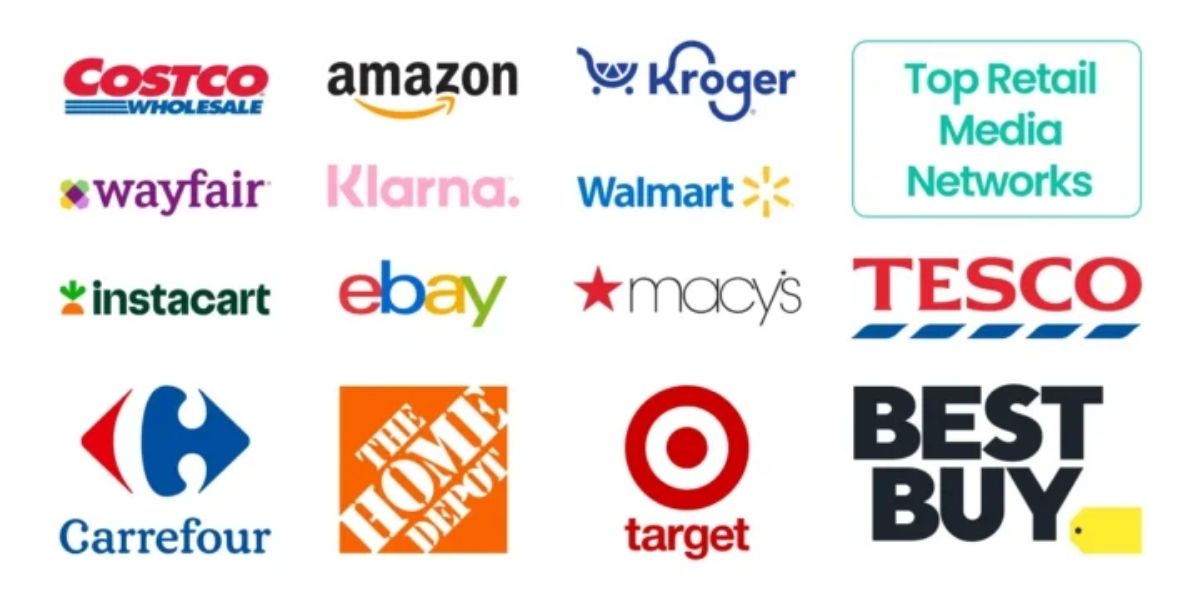
#USA (Scale Monetisation & First-Party Data): Leading the global frontier in pure ad spend network size. Major US big-box chains are rapidly retrofitting thousands of physical stores with connected digital endcaps and smart cooler screens. The focus here is on leveraging massive first-party loyalty databases to sell highly targeted, programmatic in-store ads to major consumer packaged goods (CPG) brands at premium rates.
#Europe (Privacy-Compliant Audience Analytics): Navigating strict regulatory landscapes. European multi-channel operators are scaling retail media by avoiding individual biometric tracking entirely. Instead, they deploy edge-based sensors to measure aggregated, anonymised audience impressions by aisle zone, ensuring absolute compliance while delivering closed-loop attribution data to European brand partners.
#Asia (Hyper-Connected Omnichannel Loops): Seamlessly integrating physical store media with mobile app ecosystems. Across major Asian hubs, in-store digital signage interacts directly with shoppers’ super-apps in real time. Passing an endcap triggers instant, hyper-localised, personalised digital coupons and social commerce links, executing an immediate omnichannel sale.
#GCC (Luxury Branding & Premium Experience): Shifting the focus from high-volume programmatic ads to ultra-premium, experiential brand takeovers. Retailers in the GCC utilise high-fidelity digital canvases and sensory store environments to showcase premium luxury collaborations—protecting the premium aesthetic of the store while commanding exceptional media placement fees.
World-Class Execution: Giants Dominating the Media Stream
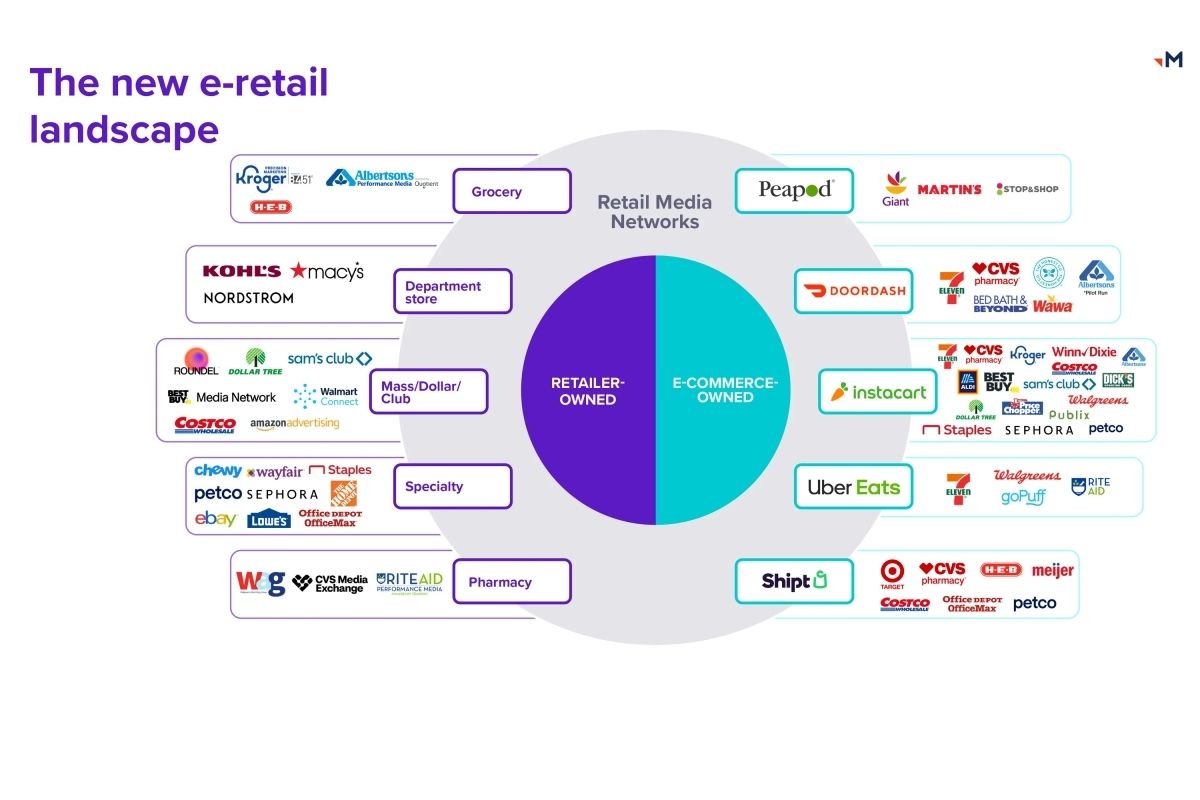
Tesco Ireland (Media & Insight Platform): In the UK, Tesco has set the gold standard by transforming its massive Clubcard database into a high-yielding media machine. They have systematically scaled digital screens across their store network, allowing brands to target customers dynamically based on past localised purchasing behaviours, proving direct, closed-loop sales uplift.
Walmart (Connect): Walmart has turned its physical stores into the core engine of its digital advertising growth. By treating physical store aisles with the same algorithmic precision as a website homepage, they allow CPG brands to dynamically bid for in-store screen placements, unlocking billions in high-margin advertising revenue.
The Capital Dilemma: Build vs. Buy & Capex vs. Opex
The most contentious debate in the boardroom today is how to construct this capability without introducing crippling margin drag or technical debt. Retailers face an operational crossroads: do you build a proprietary media stack, or buy into existing ecosystems?
The Build vs. Buy Assessment
The “Build” Trap: Developing a bespoke, in-house ad-serving platform is an enticing proposition for control, but it routinely collapses under the weight of maintenance costs, engineering talent scarcity, and slow speed-to-market. Unless you possess the scale of a top-three global giant, building from scratch is an unnecessary operational burden.
The “Buy” (Partner) Reality: The winning approach in 2026 is partnering with specialised technology infrastructure players (e.g., Vusion , Kevel , Ambernova Retail Media or CitrusAd ). This allows retailers to plug directly into standardised programmatic demand pipelines, instantly gaining enterprise-grade monetisation capabilities while retaining total custody of their first-party data.
The Financial Architecture: Capex vs. Opex
The legacy approach to store transformations required massive, up-front Capital Expenditure (Capex) on physical screens, wiring, and servers. In the modern macroeconomic environment, this model is dangerously rigid.
The optimised playbook mandates an Operational Expenditure (Opex) framework via Hardware-as-a-Service (HaaS) and Software-as-a-Service (SaaS) models. By shifting the financial burden to Opex, the network funding model is directly indexed to ad revenue generation. The platform pays for its own infrastructure footprint in real time, shielding the corporate balance sheet from heavy capital deployment risks and ensuring rapid time-to-value.
The Executive Priorities: Weaponising the Physical Grid
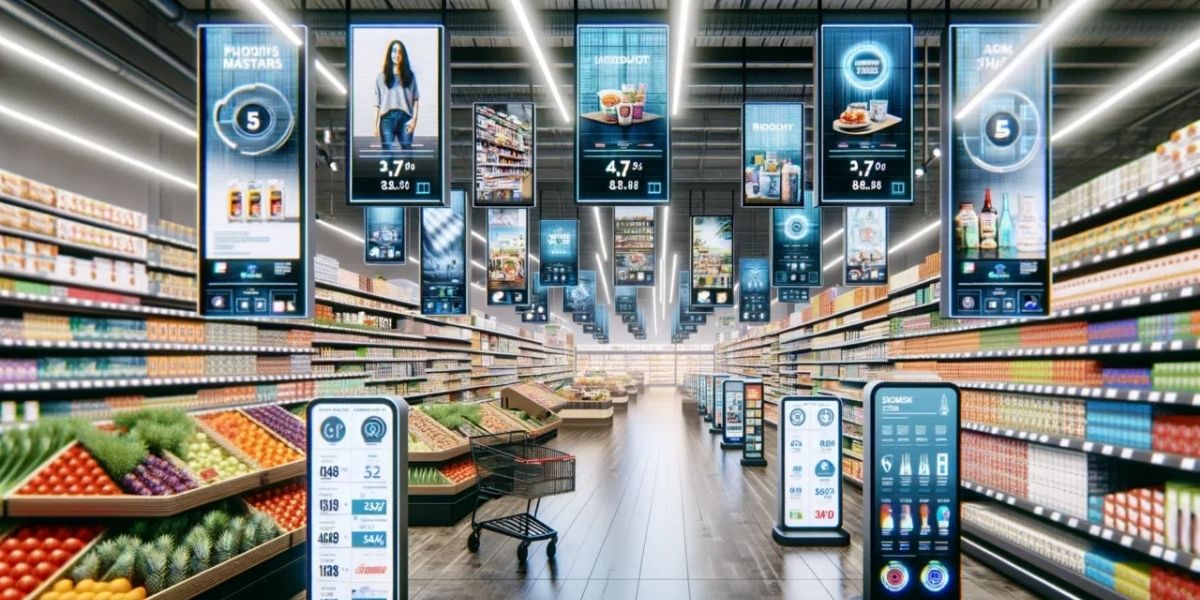
Programmatic Signage Deployment: Moving away from static, printed point-of-sale displays. Boardrooms must prioritise the installation of centrally managed, programmatic digital screens at high-traffic conversion points like the deli counter, endcaps, and front checkouts.
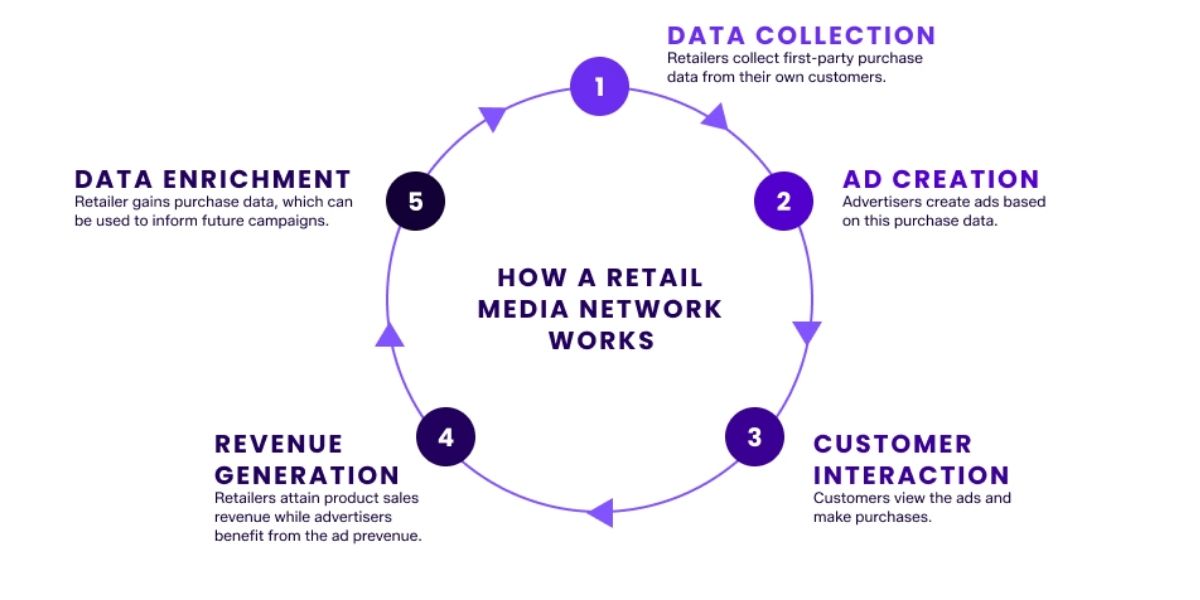
First-Party Data Unification: Breaking down the wall between e-commerce customer data and physical store point-of-sale terminals. Retailers must build a unified data layer that connects in-store ad impressions directly to actual checkout transactions.
Closed-Loop Attribution Proof: Providing brand partners with transparent, audited verification that an in-store ad placement directly drove a lift in basket penetration, justifying premium advertising fees over standard digital marketing alternatives.
The Reality Check: Strategic Research Insights
The economic data validating the shift toward physical asset monetisation and standardised programmatic partnerships is absolute:
“Physical stores are the new frontier for retail media networks, offering a digital-like ad canvas with audience volumes that often exceed online traffic by a factor of ten. The highest-performing networks are bypassing proprietary development, using strategic technology partnerships to capture high-margin revenue loops within months rather than years.”
— McKinsey & Company , The In-Store Retail Media Boom
Furthermore, the financial efficiency of utilising flexible Opex operating models over heavy infrastructure investments is transforming corporate finance profiles:
“By 2027, forward-looking grocery and multi-channel retailers will transition over 70% of their in-store digital infrastructure funding into Opex and consumption-based service models. This shift directly addresses capital constraints while aligning network costs directly to realized advertising yields.”
— Gartner Retail Group Tech Valuation Index
The Retail Media Benchmarks
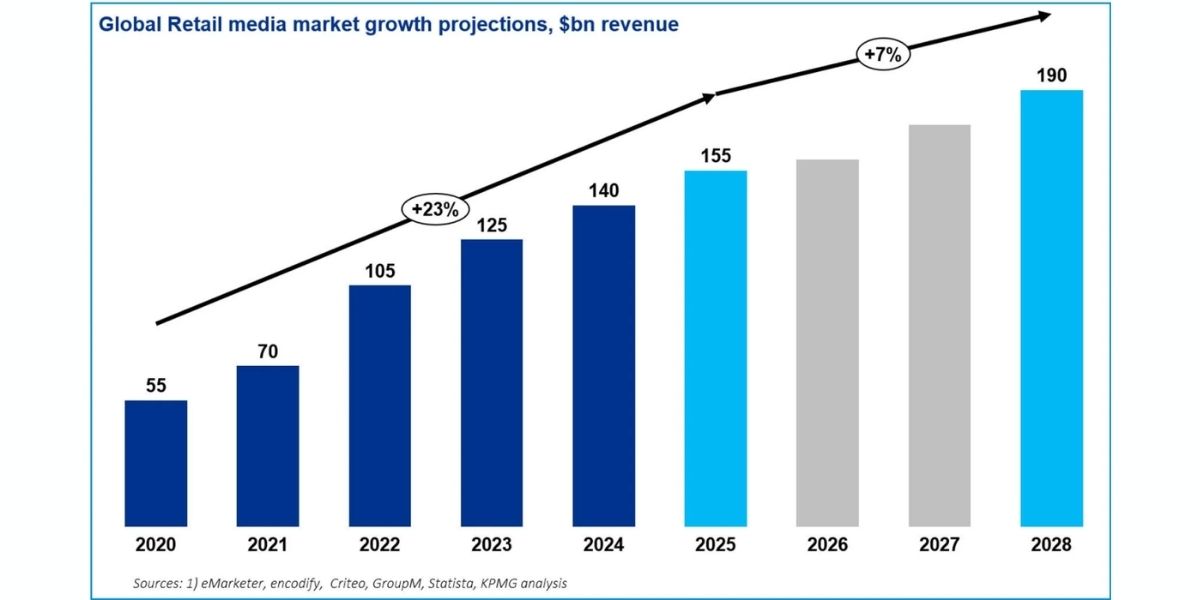
In-Store Media Yield (+180%): The dramatic revenue acceleration achieved by converting physical store real estate into a dynamic digital advertising asset class.
Attribution Accuracy (96.4%): Achieving near-flawless verification by matching real-time aisle audience impressions directly with localised terminal checkout data.
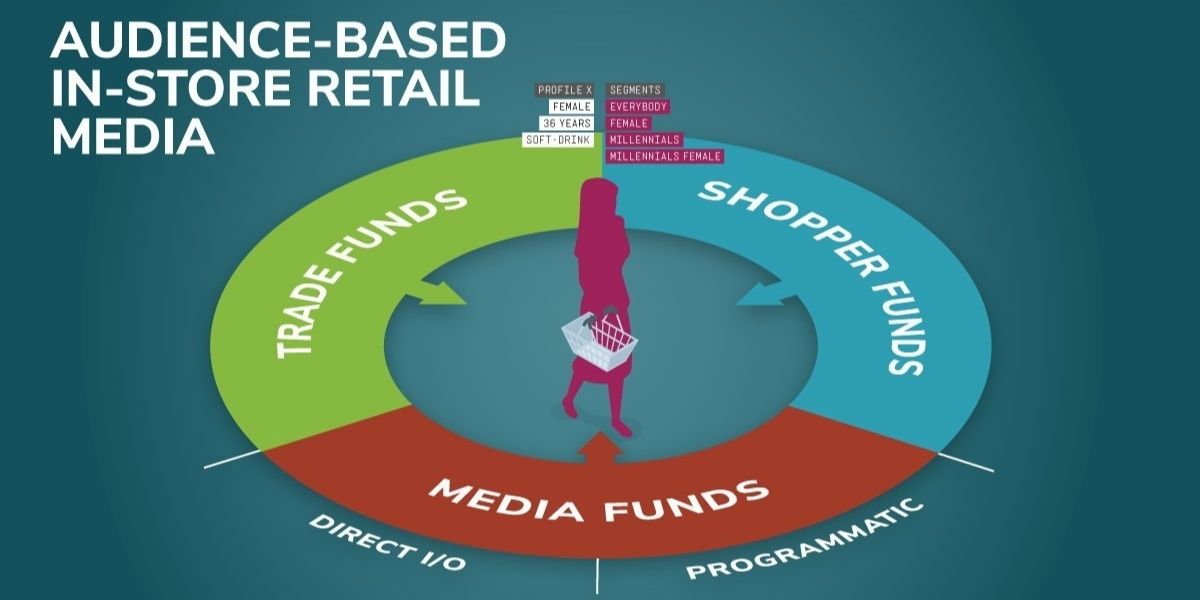
Ad-Driven Margin Boost (420 BPS): The structural P&L reward won by injecting high-margin advertising revenue directly into the traditional low-margin retail operating model.
The 18-Month Reality
“Over the next 18 months, the definition of an elite retailer will shift completely. The market will no longer judge you solely on your retail sales velocity, but on your efficiency as a media publisher. Visual intelligence monitors your stock, and localized checkout captures the transaction, but retail media networks are what structurally funds the entire enterprise. In 2026, if you are not monetising your audience attention, you are funding your competitors who are. Turn your store floor into your highest-margin profit engine.” Martin Bailie
Week 22–26: The Executive Roadmap
Week 22: Scaling Strategy to Velocity – Managing the 2027 Transition.
Week 23: The Circular Mandate – Monetising Sustainability with RFID 2.0.
Week 24: The Retail Media Explosion – Monetising the Store Floor as a High-Margin Ad Platform.
Week 25: The Sentient Store – Vision AI as the Operational “Eye”.
Week 26: Social Commerce & The Point of Purchase Revolution.