


The Growth Series 2026 | Week 23: The Circular Mandate – Monetising Sustainability with RFID 2.0
Martin Bailie CEO & founder MWB advisory Ltd
"The true magic of the circular mandate isn't just saving the planet—it's unlocking the latent capital trapped inside your supply chain. In 2026, item-level traceability is no longer a compliance metric; it is the ultimate engine for margin optimisation and sustainable growth." Martin Bailie
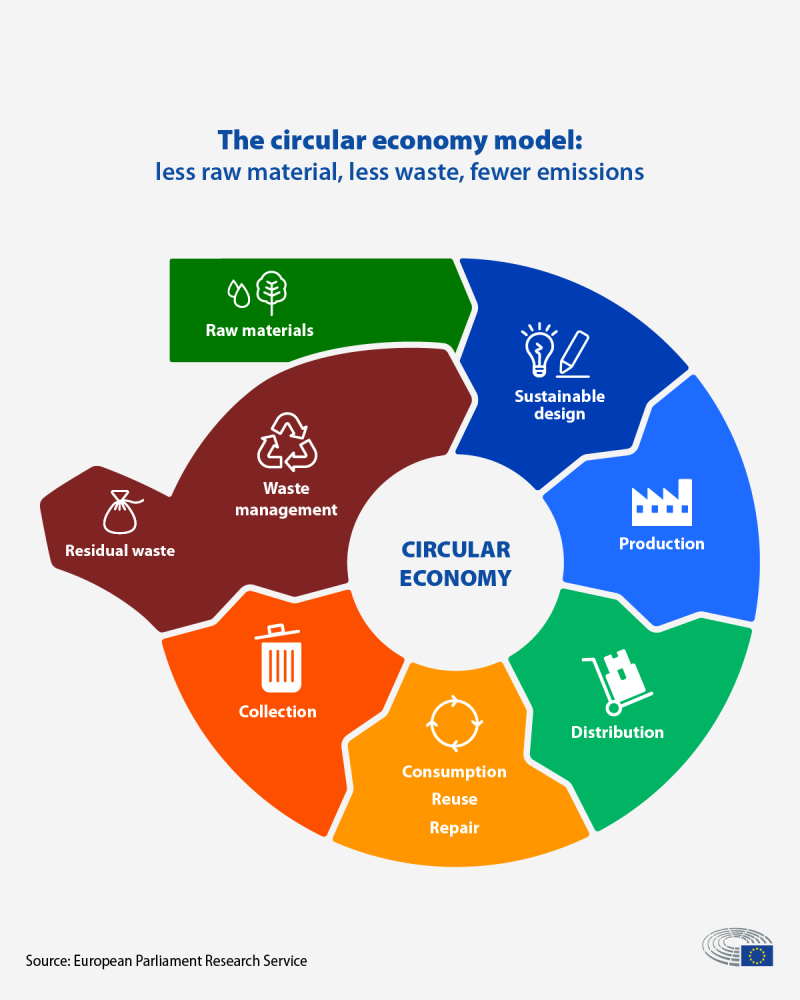
We have spent the last few weeks addressing corporate velocity and structural scaling, but as we look towards the operational landscape of 2027, the commercial conversation must tackle a shifting regulatory and consumer paradigm: The Circular Mandate. For too long, sustainability has been treated by boardrooms as a cost centre, an exercise in compliance, or a reactive marketing defensive strategy.
In the 2026 trading environment, that paradigm is dead. The “Agentic Leap” means fusing item-level visibility with circular supply networks to turn regulatory mandates into a high-margin profit engine. By deploying advanced RFID 2.0 and digital product passports, leading multi-channel operators are realising that absolute inventory traceability is the ultimate mechanism for margin recovery, commercial waste mitigation, and customer lifetime value.
The Bailie Perspective
“The boardroom conversation around ESG must ruthlessly move away from vague, long-range carbon offset promises towards immediate, item-level economic return. If your sustainability strategy relies on moral pleas rather than hard fiscal metrics, it will inevitably fail at checkout.

“To survive the 2027 transition, leadership must unlearn the legacy view that sustainability is an operational tax and relearn how to monetise the full lifecycle of a product. Circularity is fundamentally an inventory tracking problem. When you know the exact provenance, location, and condition of every single item from source to consumer and back again, you eliminate systemic waste. It is time to stop viewing the circular economy as a compliance burden and start viewing it as a massive, unlocked inventory asset class.” MWB Advisory
Global Frameworks: Navigating Regional Retail Realities
The execution of a profitable circular mandate is not a one-size-fits-all model. Global retailers must adapt their agentic workflows to survive unique regional regulatory tailwinds and distinct consumer behaviours:
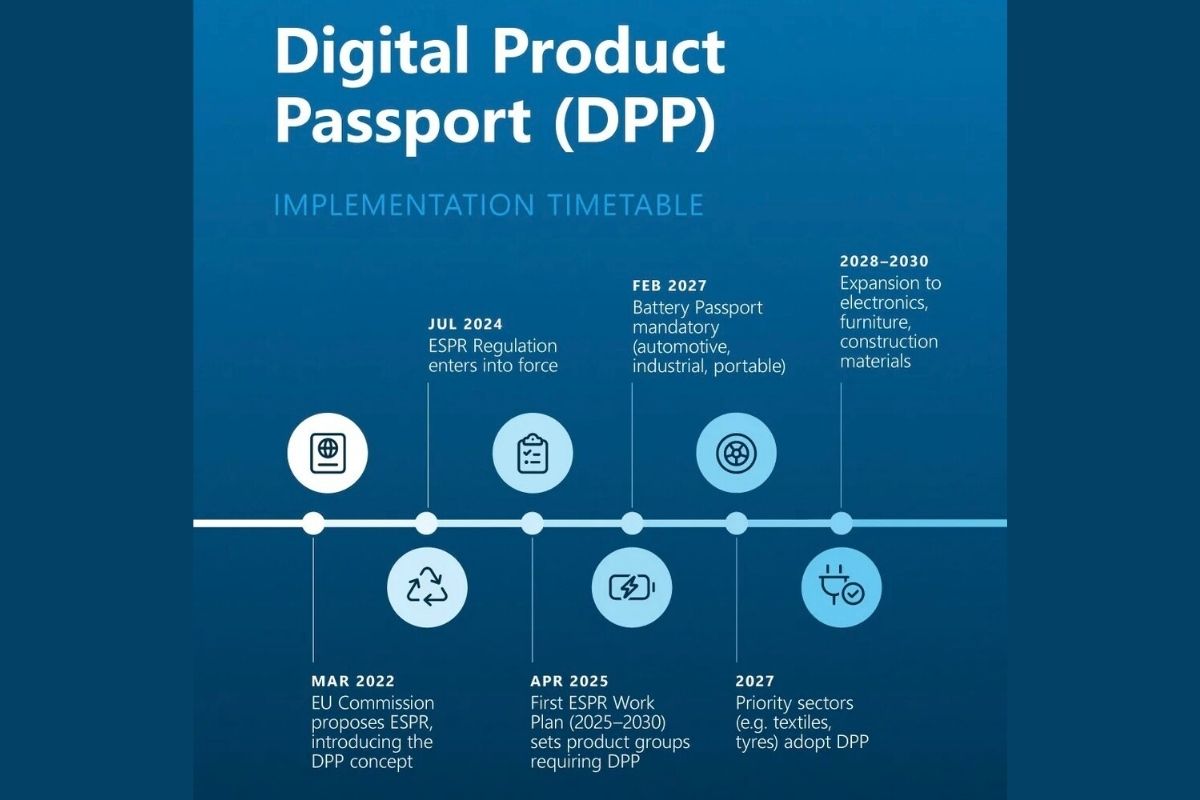
1. Europe: Regulatory Enforcement and Digital Passports
Driven by strict legislative mandates like the EU’s Digital Product Passport (DPP) and Extended Producer Responsibility (EPR), European operators are utilising RFID 2.0 as structural infrastructure. Here, circularity is a license to operate. The focus is on total visibility from raw material to recycling hub, turning regulatory compliance into a competitive data advantage that maximises product longevity and avoids heavy penalties.
2. United States: Margin Recovery and Secondary Markets
In the North American market, the circular mandate is driven less by centralised regulation and far more by commercial optimisation and secondary market monetisation. Major US apparel and department store brands are leveraging item-level tracking to power highly profitable, branded resale and trade-in ecosystems. RFID 2.0 acts as the authenticator, radically reducing the cost-to-serve in reverse logistics and recapturing the customer journey within their own brand tent.
3. Asia: Mega-Scale Traceability and Digital Eco-Systems
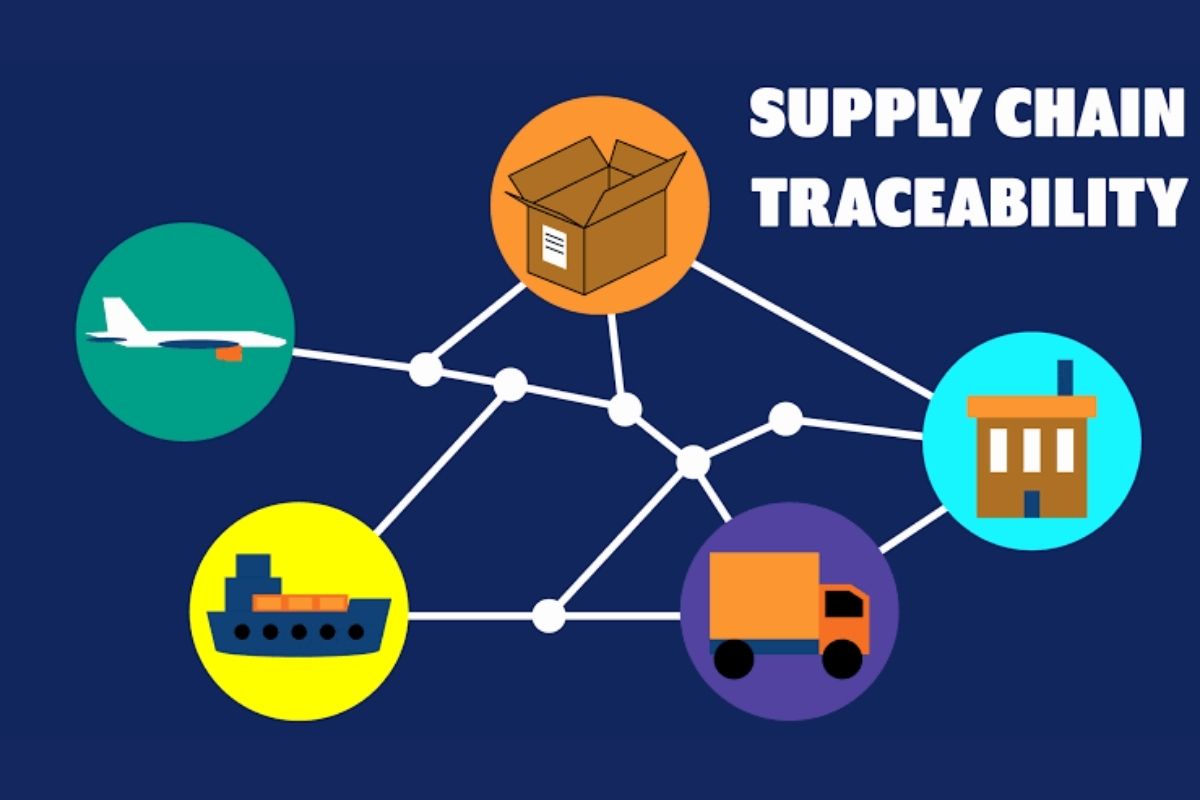
Across major Asian retail hubs—particularly in China and Japan—circularity is powered by integrated digital ecosystems and super-apps. Consumers demand instant, QR- and RFID-driven transparency regarding product freshness, authenticity, and green credentials. Retailers at scale are deploying ultra-precise tracking to manage hyper-complex, localised food and fashion supply loops, making traceability a foundational element of consumer trust and brand loyalty.
4. GCC: Luxury Asset Preservation and Sovereign Mandates
In the GCC region, the circular economy is accelerating rapidly, catalysed by ambitious national sustainability visions and a highly affluent consumer base focused on luxury and premium retail. The regional focus centres heavily on premium product lifecycle management, luxury resale authentication, and eliminating supply chain friction. Retailers are deploying RFID 2.0 to assure absolute authenticity, protect high-value product margins, and align directly with state-led circular economy frameworks.
World-Class Execution: Grocery & Fashion Ecosystems
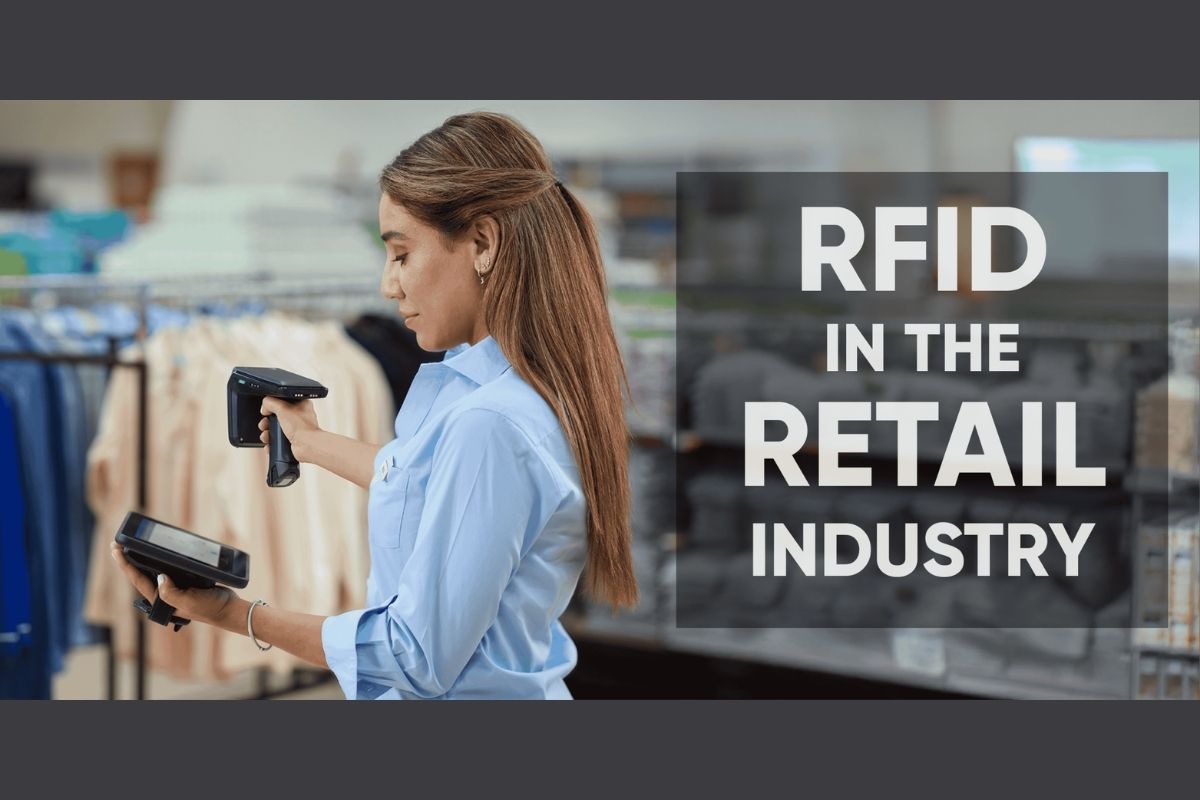
To grasp the commercial magnitude of RFID 2.0, boardrooms must look at how global pioneers have transformed item-level visibility into a defensive moat:
The Fashion Paradigm: H&M Group

H&M Group has systematically source-tagged billions of units, converting garments into digital assets with unique IDs. This transparency unlocks real-time stock-out reduction and feeds directly into their resale platforms, allowing the group to capture customer data and margin over multiple lifecycles.
The Grocery Paradigm: Carrefour
Carrefour utilises end-to-end digital tracking to overhaul fresh food waste. By linking batch codes to electronic shelf labels, store systems automatically apply dynamic markdowns as expiry windows shrink. The result is a structural drop in fresh waste and immediate margin protection at the shelf edge.
The Executive Priorities:
Capitalising on the Mandate
To transition into a profitable circular model, forward-thinking CEOs are focusing their immediate roadmaps on three pillars:
End-to-End Product Traceability: Standardising item-level serialization from the point of manufacture. This creates a digital twin for every product, allowing it to be seamlessly tracked, routed, and authenticated across its entire lifecycle.
Reverse Logistics Optimisation: Re-engineering supply lines to handle returns, repairs, and recycling loops autonomously. Agentic workflows must route returned goods based on real-time margin viability, directing items to local store stock, resale platforms, or recycling hubs with zero manual decision lag.
Customer Reward Engagement: Integrating circularity directly into the loyalty ecosystem. By allowing consumers to scan and trade back verified products effortlessly at the store edge, retailers drive footfall, capture valuable secondary inventory, and foster long-term brand equity.
The Reality Check: Strategic Research Insights
The macro-economic data supporting item-level circular networks is now absolute:
“In this new era of retail, radio-frequency identification (RFID) has the power to unlock up to 5 percent top-line growth from better stockout management and shrinkage reduction, alongside a 10 to 15 percent reduction in inventory-related labor hours.”
— McKinsey & Company & Company, RFID’s Renaissance in Retail
Furthermore, the operational and compliance risk of remaining blind at the item level carries a heavy financial penalty:
“By 2026, progressive grocery and multi-channel retailers will establish food safety and item-level traceability tracking as a primary mechanism to protect brand reputation, predicting that non-compliance tracking tools can mitigate broader supply chain disruption risks by up to 30 percent.”
— Gartner for Supply Chain Research
The Sustainability Benchmarks: The Metrics of Circular Value
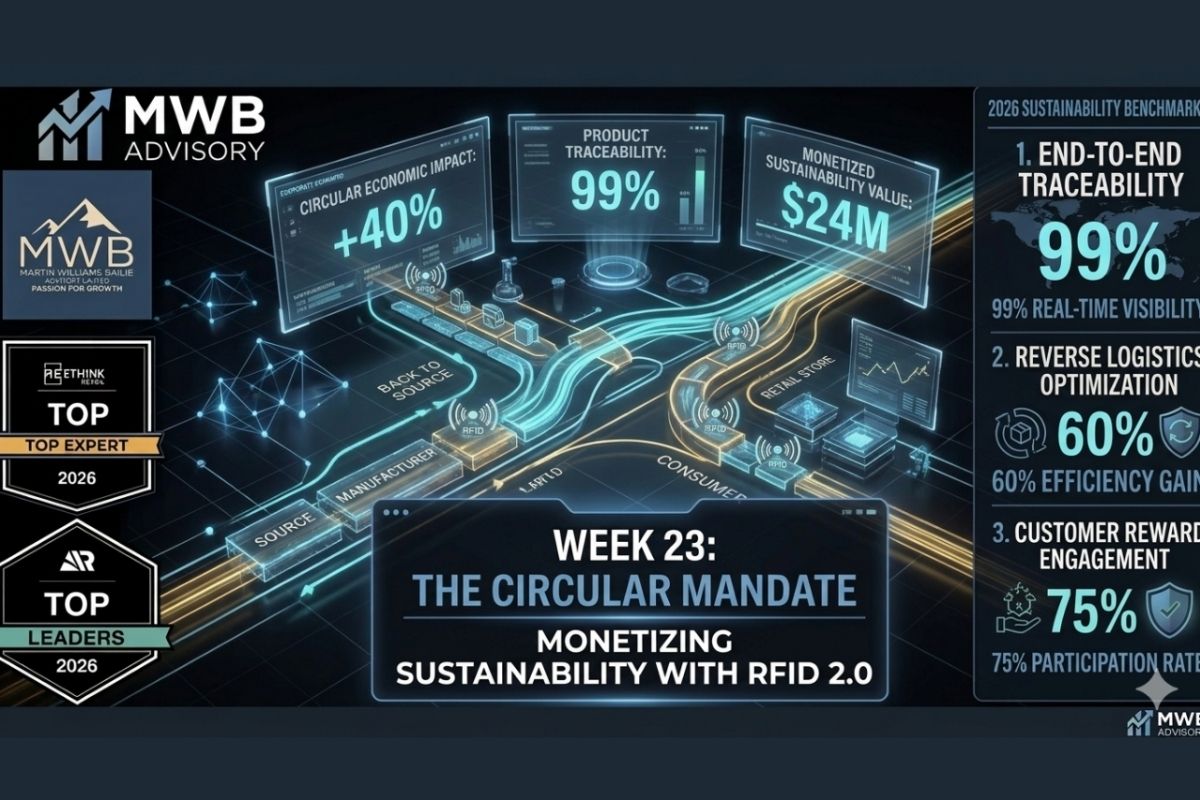
As visualised in our strategic blueprint dashboard, global organisations successfully scaling their circular networks are tracking performance against three clinical indicators:
Circular Economic Impact (+40%): Top-performing operators are expanding their total addressable market by capturing residual product value through secondary sales, refurbishments, and high-efficiency material reclamation.
Product Traceability (99%): Reaching operational scale requires near-total, real-time item visibility across the entire supply chain, completely removing blind spots in both forward and reverse logistical paths.
Monetised Sustainability Value ($24M): Proving the direct P&L contribution of circular operations by tracking the precise dollar value unlocked through waste reduction, lower procurement costs, and secondary market margins.

Impact Thinking: The 18-Month Reality
“The retailers who thrive over the next 18 months will be those who bridge the gap between ethical intent and commercial reality. Sustainability without traceability is just marketing; sustainability with RFID 2.0 is highly profitable asset management. By converting your supply chain into a continuous loop, you defend your margins against resource scarcity, comply seamlessly with shifting global regulations, and unlock entirely new revenue streams directly from the shop floor.” Martin Bailie
Week 21–26: The Executive Roadmap
Week 21: The Boardroom Imperative – Measuring the Value of Agentic Sourcing and Margin Defence.
Week 22: Scaling Strategy to Velocity – Managing the 2027 Transition.
Week 23: The Circular Mandate – Monetising Sustainability with RFID 2.0.
Week 24: Social Commerce & The Point of Purchase Revolution.
Week 25: The Sentient Store – Vision AI as the Operational “Eye”.
Week 26: Retail Media – Monetising the Store as a High-Margin Ad Platform.

“The true magic of the circular mandate isn’t just saving the planet—it’s unlocking the latent capital trapped inside your supply chain. In 2026, item-level traceability is no longer a compliance metric; it is the ultimate engine for margin optimisation and sustainable growth.”